How I helped reduce the UK’s (radio) carbon footprint
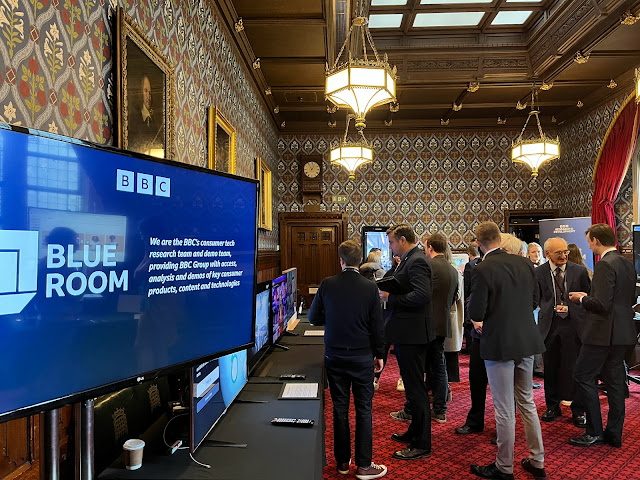
I am beyond excited to finally be able to talk about this publicly. For the longest time, Alison Hunter and I had been nursing a "moonshot" project behind the scenes. So much of our work at the BBC Blue Room is focused on internal innovation—the kind of tech that helps the organisation run better—but this was different. This was a project with the potential for real-world, lasting environmental impact. It started, as the best things often do, with a simple conversation. Alison had this spark of an idea: could we fundamentally change the energy footprint of broadcast graphics? It sounds small, but when you consider the scale of the BBC’s reach, the maths becomes staggering. By rethinking the way we design our on-screen graphics, we realised we could reduce power consumption across millions of devices instantly. The concept is beautifully simple: many modern televisions are "reactive" to the content they display. On certain types of screens, particularly OLEDs,...